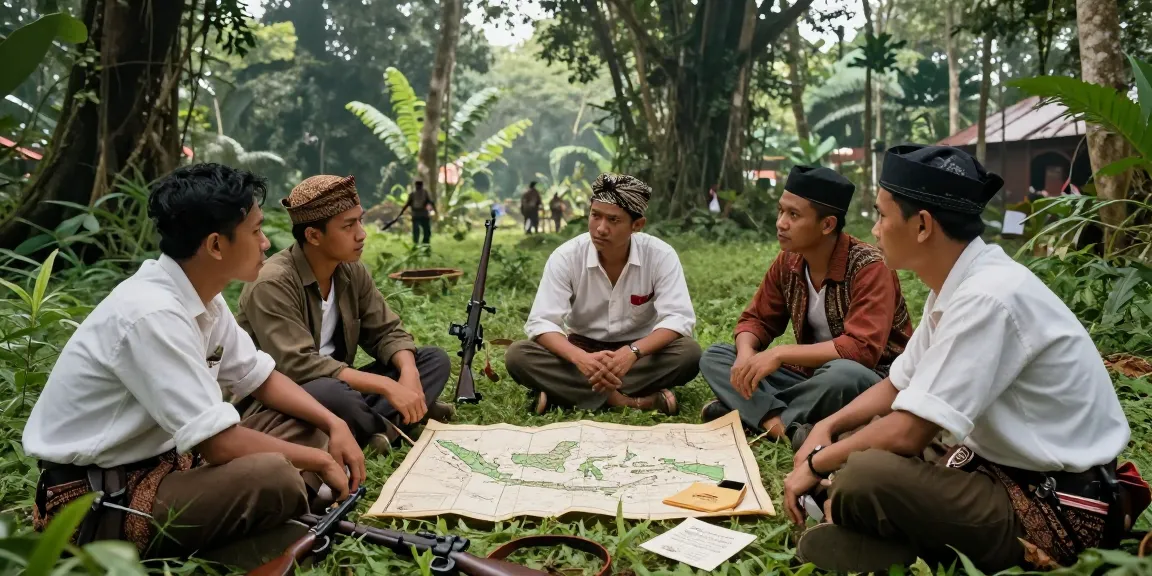
Understanding the Context of the Rokok 88 Movement
The history of Indonesia's struggle for independence is deeply intertwined with its colonial past under Dutch rule. The Rokok 88 movement represents a significant chapter in this turbulent history, illustrating the resistance, resilience, and eventual triumph of the Indonesian people. Understanding the complexities and nuances of this period requires an exploration of historical events, socio-political dynamics, and the impact of global influences on local struggles. For those looking to delve deeper into this intriguing narrative, rokok 88 offers a wealth of insights and information.
Historical Background of Indonesian and Dutch Relations
The relationship between Indonesia and the Netherlands dates back to the 17th century, characterized initially by trade. However, this relationship soon morphed into one of colonization as the Dutch East India Company established control over vast territories. The imposition of colonial rule saw the exploitation of Indonesia's rich resources, leading to widespread discontent among the local population. Key grievances included land dispossession, forced labor, and cultural suppression, which set the stage for resistance movements. By the early 20th century, nationalist sentiment was burgeoning, fueling aspirations for independence.
Key Events Leading to the Colonial Resistance
Several pivotal events spurred the Indonesian struggle against Dutch colonialism. The rise of nationalist leaders, such as Sukarno and Hatta, was a turning point. The 1928 Youth Pledge, which proclaimed the unity of the Indonesian people, laid the groundwork for collective action. Furthermore, the impact of World War II, where Japanese occupation temporarily ousted Dutch authority, emboldened nationalist movements. As the war ended, calls for independence intensified, culminating in the proclamation of Indonesian independence on August 17, 1945.
Impact of Global Politics on Local Struggles
The dynamics of global politics significantly influenced Indonesia's path to independence. The post-war geopolitical landscape, marked by the emergence of the United States and the Soviet Union as superpowers, created a conducive environment for anti-colonial movements worldwide. The UN General Assembly's commitment to decolonization added international legitimacy to Indonesia's struggle. Thus, local efforts were bolstered by global support, signifying a broader shift toward self-determination across Asia and Africa.
Important Figures in the Rokok 88 Narrative
Profiles of Key Indonesian Leaders
Among the figures pivotal to the Rokok 88 movement are prominent national leaders who shaped the ideology and direction of Indonesia's struggle for independence. Sukarno, as the first president, played a crucial role in uniting various factions and mobilizing the masses. His speeches and writings emphasized a vision of nationalism that transcended ethnic and religious divides. Similarly, Mohammad Hatta, known as the "Father of Cooperatives," contributed pragmatically to establishing a political framework for the new nation.
The Role of Dutch Officials in the Conflict
Dutch colonial officials were often depicted as the antagonists in Indonesian narratives. Their policies varied from economic exploitation to attempts at cultural assimilation, triggering resentment and resistance. Understanding their motivations and responses to the independence movement provides a clearer picture of the conflict's dynamics. Figures like General Spoor and Governor-General Hubertus van Mook emerge as key decision-makers whose actions influenced both the course of the colonial regime and the resistance strategies employed by Indonesian leaders.
Influential Activists and Their Contributions
Beyond political leaders, many activists played vital roles in the Rokok 88 narrative. Organizations like Budi Utomo and Sarekat Islam mobilized support and resources for the independence cause. Local leaders and grassroots activists exemplified the widespread desire for self-governance. Their contributions often went unrecognized in mainstream historical accounts, yet they were essential in galvanizing community support and facilitating collective action against colonial rule.
Strategies and Tactics of the Freedom Fighters
Guerrilla Warfare and Its Effectiveness
The struggle for independence involved varied strategies, with guerrilla warfare emerging as an effective tactic employed by Indonesian fighters. Familiar with their local terrain, freedom fighters executed ambushes and sabotage operations against Dutch forces, draining their resources and morale. This approach not only showcased their resilience but also allowed them to gain grassroots support as communities rallied behind their advocates. The effectiveness of these tactics demonstrated the adaptability and creativity inherent in the fight for independence.
Collaborations and Alliances Among Fighters
Indonesian freedom fighters understood the significance of unity in achieving their common goal. Collaborations among disparate groups, including the youth and labor organizations, enhanced their strategic capabilities. Alliances transcending ethnic and regional lines fostered a sense of national unity that was critical during the struggle. Various factions worked together to coordinate efforts, share resources, and communicate messages that resonated with broader audiences, exemplifying the power of a unified front against colonial powers.
Use of Propaganda and Communication
Effective communication played a crucial role in the movement. The use of propaganda, through pamphlets, speeches, and newspapers, helped raise awareness about the plight of the Indonesian people. Freedom fighters utilized storytelling and narrative framing to galvanize support, instill pride, and build solidarity among diverse groups. As public sentiment shifted, the influence of propaganda became increasingly pronounced, rendering it a strategic tool to bolster resistance efforts and counter Dutch narratives.
The Aftermath of the Rokok 88 Events
Consequences for Indonesian Society
The aftermath of the independence struggle has significantly shaped contemporary Indonesian society. The sacrifices made during this period fostered a profound sense of nationalism, with independence being celebrated as a central tenet of Indonesian identity. However, the conflict also left scars, as ethnic tensions and divisions emerged during the struggle. Addressing these lingering issues has become vital for national reconciliation and unity in modern Indonesia.
Effects on Dutch Colonial Policies
The failure of Dutch colonial ambitions in Indonesia necessitated a reassessment of their imperial strategies. The post-war period saw a gradual shift in Dutch approaches, with more focus on negotiations and accommodation. The eventual recognition of Indonesia's sovereignty by the Netherlands in 1949 marked a critical turning point, symbolizing the end of an era and signaling a broader decline of colonial power worldwide.
Long-term Implications for National Identity
Indonesia's journey to independence profoundly impacts its national identity. The collective memory of the struggle is enshrined in public consciousness, becoming a cornerstone of national narratives. The ongoing exploration of independence themes in education and media serves to reinforce awareness of the sacrifices made and the values of freedom and unity, guiding contemporary discussions about governance, society, and international relations.
Future Perspectives on Historical Narratives
Modern-Day Commemoration and Education
As Indonesia continues to evolve, reflecting on its historical narratives remains vital. Commemorative events, such as the Indonesian Independence Day, serve as reminders of the struggles faced and triumphs achieved. Educational initiatives that delve into the comprehensive history of the independence movement are crucial in fostering a sense of identity and belonging among younger generations. Furthermore, incorporating diverse perspectives ensures a holistic understanding of this pivotal chapter in Indonesian history.
How History Shapes Current Indonesia-Dutch Relations
Historical grievances continue to influence present-day relations between Indonesia and the Netherlands. While both nations have made strides toward reconciliation, discussions regarding past injustices remain sensitive. Issues such as reparations, acknowledgment of historical wrongs, and cultural exchanges play significant roles in shaping bilateral relations. Addressing these historical complexities is imperative for fostering mutual understanding and collaboration.
Role of Digital Media in Preserving History
In an increasingly digital world, the preservation and dissemination of historical narratives have evolved. Digital media platforms allow for broader access to historical content, fostering engagement and educating diverse audiences. Online resources, documentaries, and virtual commemorations serve as valuable tools for educating younger generations about the importance of the Rokok 88 movement. By leveraging technology, Indonesia can ensure that its historical narratives are preserved and celebrated, fostering a deeper appreciation for its past.
What are the key events of the Rokok 88 movement?
The key events of the Rokok 88 movement encompass a series of uprisings, protests, and negotiations that reflect the indomitable spirit of the Indonesian people. Prominent events include the proclamations of independence, the establishment of government structures, and global recognition efforts. Each contributed to the broader tapestry of Indonesia's struggle against colonialism.
How did the freedom fighters strategize against colonial powers?
Indonesian freedom fighters employed a blend of guerrilla tactics, strategic alliances, and effective communication to counter Dutch colonial powers. Their adaptability and creativity were vital in navigating the challenges posed by a more organized and militarized colonial government.
What impact did the Rokok 88 events have on modern Indonesia?
The Rokok 88 events laid the foundation for modern Indonesia's national identity and governance structures. The sacrifices made during this period continue to resonate, shaping contemporary discussions on national unity, democracy, and social justice.
Who were the significant figures in the Rokok 88 narrative?
Significant figures in the Rokok 88 narrative include Sukarno, Hatta, and various grassroots activists who contributed to the independence struggle. Their leadership, vision, and dedication to the cause remain pivotal in understanding the complexities of Indonesia's fight for independence.
How is the history of Rokok 88 taught in schools today?
Today, the history of the Rokok 88 movement is an integral part of the educational curriculum in Indonesia. Schools focus on teaching the struggles, sacrifices, and achievements of the independence movement, emphasizing the importance of national identity and unity among students.